Balance Sheet Format for Students:
The balance sheet is often the first “real” financial statement students learn to build, and getting the format right is half the battle. This guide to the balance sheet format for students breaks it into four clear sections, with a full worked example.
What Is a Balance Sheet?
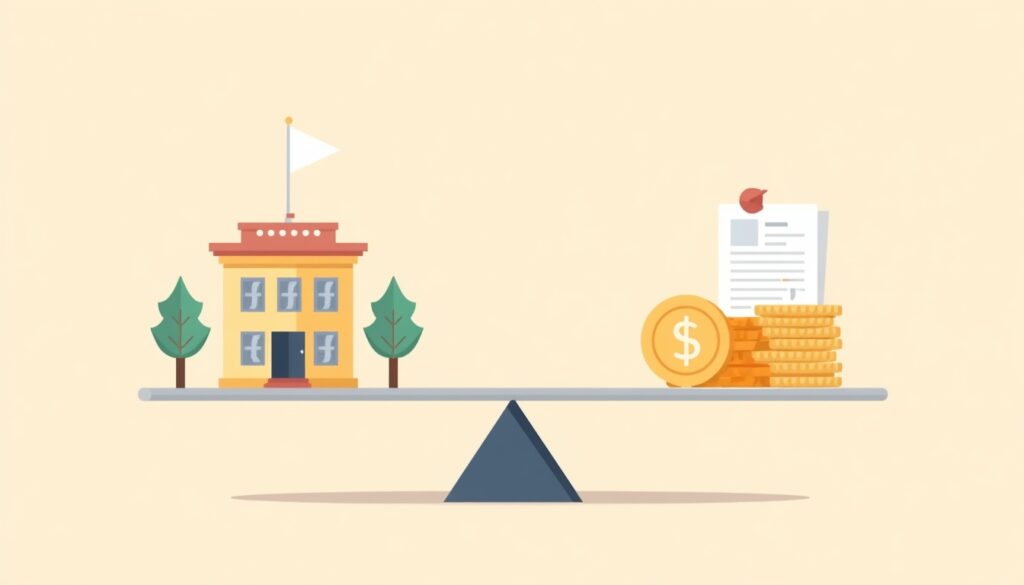
A balance sheet is a financial statement that shows a company’s financial position at a specific point in time — what it owns (assets), what it owes (liabilities), and the owner’s stake in the business (equity).
This topic is part of the FA curriculum at UCP, usually taught right after journal entries and the trial balance, since the balance sheet is one of the final outputs of the accounting cycle.
The Core Formula Behind the Balance Sheet
Assets = Liabilities + Owner’s Equity
Every balance sheet must satisfy this equation exactly — if it doesn’t balance, there’s an error somewhere in the underlying records.
The 4 Key Sections of a Balance Sheet
1. Current Assets
Assets expected to be converted to cash or used up within one year, such as cash, accounts receivable, and inventory.
2. Non-Current (Fixed) Assets
Long-term assets like equipment, buildings, and land that provide value over many years.
3. Liabilities
Obligations the business owes to others, split into current liabilities (due within a year, like accounts payable) and long-term liabilities (due after a year, like a long-term bank loan).
4. Owner’s Equity
The owner’s remaining stake in the business after liabilities are subtracted from assets, including capital invested and retained earnings.
A Worked Example: Balance Sheet Format
ABC Traders — Balance Sheet as of June 30, 2026
| Assets | Amount (Rs.) | Liabilities & Equity | Amount (Rs.) |
|---|---|---|---|
| Cash | 40,000 | Accounts Payable | 15,000 |
| Accounts Receivable | 20,000 | Bank Loan (Long-Term) | 30,000 |
| Inventory | 25,000 | Total Liabilities | 45,000 |
| Equipment | 50,000 | Owner’s Capital | 90,000 |
| Total Assets | 135,000 | Total Liabilities & Equity | 135,000 |
Notice that Total Assets (135,000) exactly equals Total Liabilities and Equity (135,000) — this balance confirms the statement is correctly prepared.
Common Formatting Mistakes Students Make
- Listing liabilities before assets, when the standard format usually lists assets first.
- Mixing current and non-current items together instead of separating them clearly.
- Forgetting to label totals clearly, making the statement harder to read and check.

Why the Balance Sheet Matters
Investors, banks, and managers use the balance sheet to assess a company’s financial health — whether it has enough assets to cover its obligations, and how much the owner’s stake is actually worth.
Practice Tip
Try building a simple balance sheet using your own hypothetical numbers, then check that both sides match exactly. This hands-on practice is the fastest way to internalize the format before an exam.
Related reading: Income Statement Example Explained, Financial Statements Explained for Beginners, Accounting Equation Examples for Students
Frequently Asked Questions
What is the correct balance sheet format for students to follow?
A standard format lists current assets, then non-current assets on one side, and current liabilities, long-term liabilities, and owner’s equity on the other, with both sides totaling equally.
Why must a balance sheet always balance?
Because it’s built on the accounting equation (Assets = Liabilities + Equity), which must hold true for every properly recorded set of transactions.
What is the difference between current and non-current assets?
Current assets are expected to be used or converted to cash within a year, while non-current assets provide value over a longer period, like equipment or buildings.
Is the balance sheet the same as the income statement?
No, the balance sheet shows financial position at a single point in time, while the income statement shows performance (profit or loss) over a period.
What happens if my balance sheet doesn’t balance?
It usually means there’s an error in your journal entries, ledger postings, or trial balance that needs to be traced back and corrected.
Keep Learning
Practicing balance sheet questions for your FA exam? Upload your notes to help other students, or explore more FA resources on brainydock.site.