
What Is Information Communication Technology:
If you’re starting your ICT course and wondering exactly what is information communication technology, you’re asking the right first question. ICT is a broad field, and understanding its five key areas will make every later topic in the course — from networks to cybersecurity — much easier to follow.
This topic is part of the ICT curriculum at UCP and forms the foundation for everything else you’ll study in this course.
Defining Information Communication Technology
Information Communication Technology (ICT) refers to all the tools, systems, and technologies used to create, store, process, and share information. It combines two older fields — Information Technology (IT) and Telecommunications — into one unified discipline that reflects how modern devices, networks, and software work together.
1. Hardware
Hardware includes all the physical components of a computing system: computers, servers, routers, smartphones, and storage devices. Without hardware, there would be no physical machine to run software or transmit data.
2. Software
Software is the set of instructions that tells hardware what to do. This includes system software (like operating systems such as Windows or macOS) and application software (like Microsoft Excel or a mobile banking app).
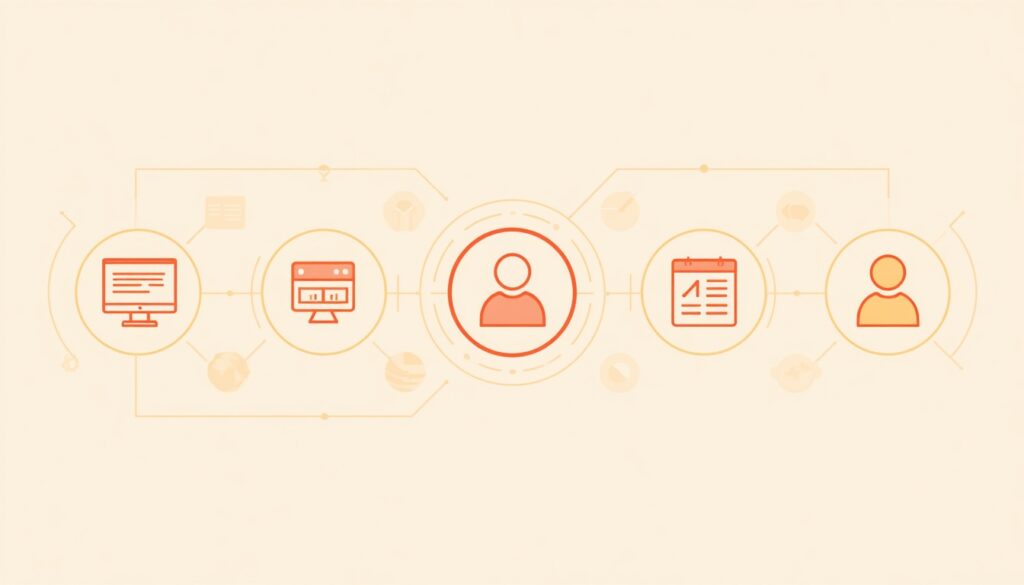
3. Networks and Communication Systems
This area covers how devices connect and exchange data — from local office networks (LANs) to the global internet (WAN). Communication technologies like Wi-Fi, mobile data, and fiber-optic cables all fall under this category.
4. Data and Information Management
ICT also covers how organizations store, organize, and retrieve data using databases and information systems. This includes everything from a small business’s customer records to a bank’s transaction processing systems.
5. People and Processes
Technology alone doesn’t create value — people using it effectively do. This area covers digital literacy, IT policies, and the processes organizations follow to use technology responsibly and efficiently.
Why ICT Matters for BBA Students
Even if you’re not majoring in computer science, understanding ICT is essential because nearly every modern business function — marketing, finance, operations, HR — now relies on digital tools and systems. As a BS Analytics student, you’ll use ICT concepts directly when working with data tools, business software, and digital platforms throughout your career.
Real-World Examples of ICT in Action
- A bank’s mobile app combines software, networks, and data management to let you check your balance instantly.
- An online store uses e-commerce platforms, payment gateways, and databases together to process orders.
- A university’s learning management system relies on servers, databases, and network infrastructure to deliver your course content.
For a deeper look at specific components, see our guides on difference between hardware and software and computer networks basics for beginners.
Frequently Asked Questions
Q1: What is information communication technology in simple terms?
It’s the combination of hardware, software, networks, and data management systems used to create, store, process, and share information.
Q2: What’s the difference between IT and ICT?
IT traditionally focuses on computing and data processing, while ICT adds the communication and networking component, reflecting how connected modern technology is.
Q3: Why is ICT important for business students?
Nearly every business function today depends on digital tools, so understanding ICT concepts helps you work effectively with the technology your future employer will use.
Q4: What are some everyday examples of ICT?
Smartphones, email, online banking apps, video calls, and cloud storage are all everyday examples of ICT in action.
Q5: Do I need a technical background to understand ICT?
No — ICT courses for BBA students focus on conceptual understanding and business application rather than deep technical programming skills.
Keep Exploring
Now that you understand the five key areas of ICT, try identifying which area each app or tool you use daily falls under — it’s a simple way to reinforce the concept.
Have your own ICT notes or assignments on this topic? Upload them to brainydock.site to help other UCP students. Explore more in our ICT category.